
Solar generators are a versatile and eco-friendly solution for those seeking reliable power for modern lifestyles. Whether for home backup, camping, or off-grid adventures, understanding two key measurements—watts and watt-hours—is essential. These terms often confuse buyers, but they are crucial in determining a generator’s capacity and suitability for specific needs. Picking the right solar generator capacity ensures that your appliances run efficiently without unexpected power failures during critical moments. This comprehensive guide will demystify watts and watt-hours to help you make informed decisions with confidence and clarity.
Understanding Power Basics in Solar Generators
What Are Watts and Why They Matter
Watts measure power. They indicate the rate at which energy is used or generated at any given time during operation. For a solar generator, watts show how much energy it can provide at any given moment without strain or performance drops. For instance, a solar generator with 500 watts can power devices requiring up to 500 watts continuously. Knowing this helps you understand which appliances can be run simultaneously and safely without interruptions. Thus, watts are crucial when planning how to distribute power among various devices efficiently and responsibly.
What Are Watt-Hours and How They Measure Energy
Watt-hours measure the total energy stored or consumed over time within a battery system during use. If a solar generator has a 1,000 Wh capacity, it can provide 100 watts of power for 10 hours, 500 watts for two hours, and other practical combinations. This measurement is vital for understanding how long your solar generator will run before it needs recharging. Differentiating between watts and watt-hours enables you to choose a generator that fits your long-term energy needs without running out of power unexpectedly during daily or emergency use.
How to Calculate the Right Solar Generator Capacity
Estimating Appliance Power Needs Step by Step
Start by listing all the appliances you intend to use with the generator during normal operation at home or outdoors. Note their power needs in watts, usually specified on the device labels or in user manuals. Add the wattage for all devices you want to power simultaneously at peak usage times. This total will guide you toward the suitable watt rating for your solar generator. This step ensures a seamless energy flow, preventing overloads and ensuring efficiency during everyday use or emergency situations.
Matching Daily Energy Use to Battery Capacity
After calculating how much power your devices consume, estimate daily usage based on realistic habits and routines. Multiply each device’s wattage by the number of hours you plan to use it per day. Summing these gives total daily watt-hours required from the battery. Choose a solar generator with at least this capacity plus some extra to cover inefficiencies, weather changes, and unexpected needs. A well-matched battery capacity allows worry-free power usage throughout the day and night.
Choosing the Right Solar Generator for Real-Life Scenarios
Home Backup Power and Emergency Use
In emergencies, a reliable power source is vital for safety, comfort, and daily functionality. Choose a solar generator with high watt and watt-hour ratings to keep essential devices like refrigerators, medical equipment, phones, and lights running. Products like the Anker SOLIX C2000 Gen 2 have a 4kWh expandable capacity, which can power a dual-door fridge for days. Their quick recharge time ensures readiness for ongoing or future outages without long downtime or stress.
Camping, RV, and Outdoor Adventures
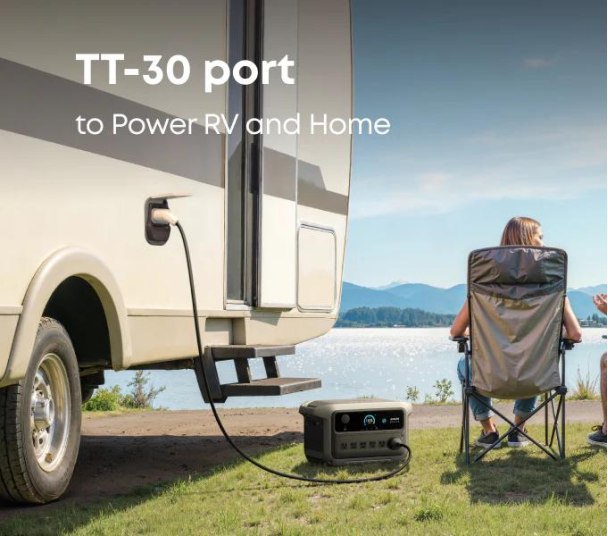
Adventurers need portable and robust power solutions that perform reliably outdoors in changing conditions. The Anker SOLIX solar generators provide high conversion efficiency and flexible panel angles for maximum sunlight absorption throughout the day. They’re ideal for powering camping equipment, RV appliances, cooking tools, and mobile devices. IP67 waterproof solar panels make them durable in varying weather, ensuring a seamless outdoor experience even in challenging environments and remote locations.
Portable and Expandable Options Like Anker SOLIX Solar Generators
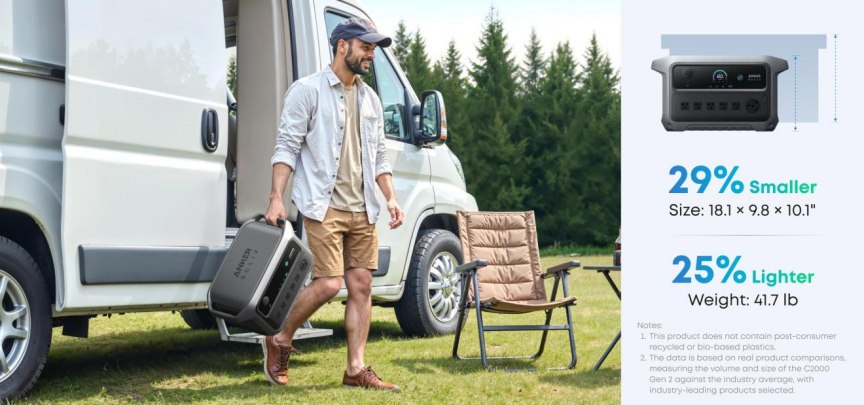
Adaptability is key when choosing long-term power solutions for different lifestyles. Anker SOLIX allows expansion with extra batteries, extending operational time significantly as needs grow over time. Light, portable designs make them easy to transport, while multiple recharging options—AC, solar, and car charging—enhance convenience. Whether powering laptops, tools, or larger appliances, their range suits diverse needs, making them a go-to for various scenarios and users.
Conclusion
Choosing the right solar generator involves understanding watts and watt-hours in practical terms. Proper capacity assessment prevents power shortages and overloads, ensuring smooth operation across various applications. Whether for home backup, camping, or outdoor work, defining energy needs in advance is crucial for success. Options like the Anker SOLIX offer versatility and reliability thanks to high power ratings and expandable capacities, positioning them as top choices for eco-conscious power solutions in everyday life.
Visited 1 times, 1 visit(s) today