
Introduction
AIO, or All-In-One, coolers offer a convenient and effective cooling solution for modern computer systems. Given their compact design and superior performance compared to traditional air coolers, AIO coolers are increasingly popular. Key to their efficiency is thermal paste, which ensures optimal heat transfer from the CPU to the cooler. Many users often wonder if AIO coolers include pre-applied thermal paste and how necessary it is for maintaining their system’s cooling efficiency.

Understanding AIO Coolers
All-In-One coolers are self-contained liquid cooling systems designed to be user-friendly while offering advanced cooling capabilities. They consist of a pump, radiator, and connecting tubes, enabling a closed-loop coolant circulation. This system transfers heat from the CPU to the outside environment via the radiator.
AIO coolers are favored for several reasons. They generally provide more efficient cooling than air coolers, sometimes allowing for quieter operation and supporting overclocked CPUs. Their sleek design meets both performance and aesthetic standards favored by enthusiasts. However, their performance heavily depends on the quality and application of thermal paste, which bridges the thermal interface.

The Role of Thermal Paste in Cooling
Thermal paste is a critical component in ensuring effective heat dissipation between the CPU and the cooler’s contact plate. This compound fills in microscopic air gaps and imperfections on the surfaces, promoting better heat transfer.
By improving thermal conductivity, thermal paste helps maintain lower CPU temperatures, essential for system stability, especially during heavy usage or overclocking. Considering this, understanding if your AIO cooler includes thermal paste is vital for performance.
Do AIO Coolers Include Thermal Paste?
Most AIO coolers from reputable brands come with pre-applied thermal paste, providing a hassle-free setup for users. This convenience ensures even application, reducing the risk of over or under-application that could compromise heat dissipation.
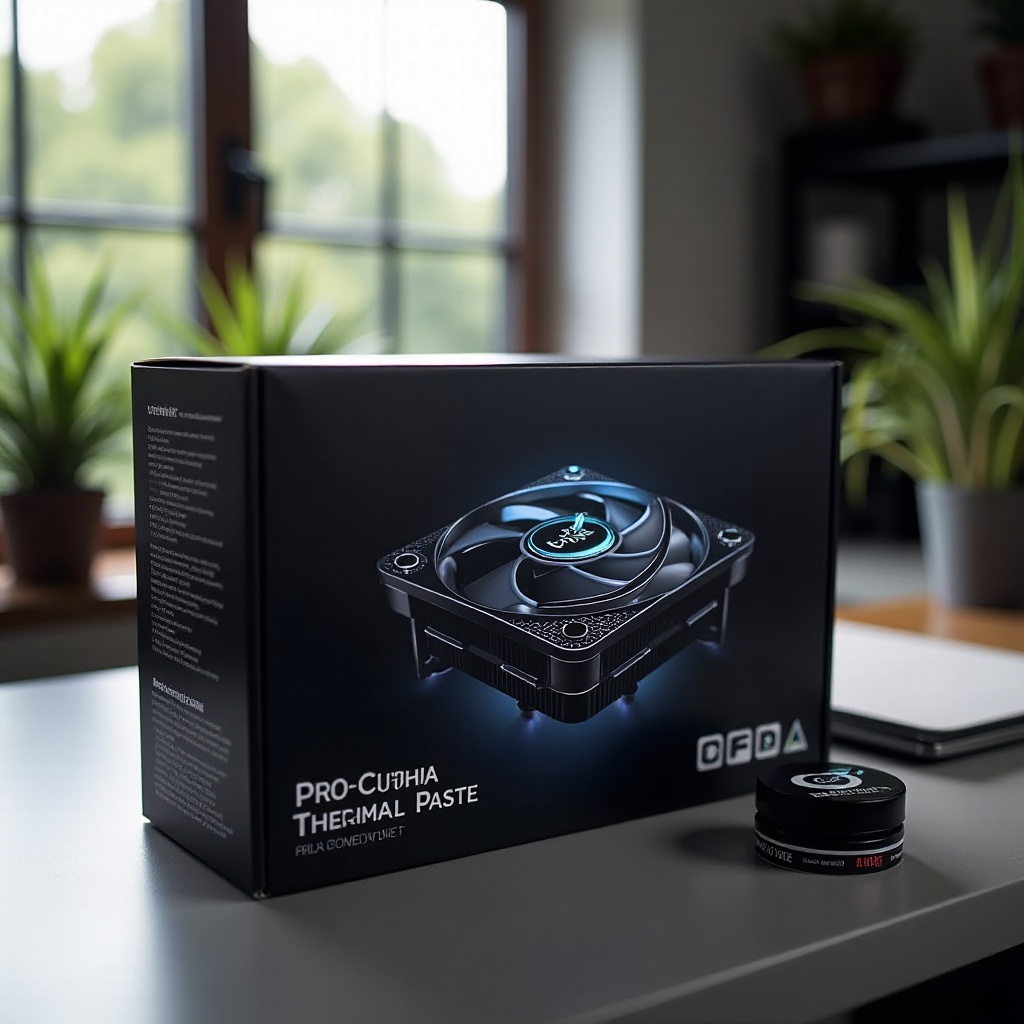
Pre-applied paste is usually adequate for standard performance needs. However, some users prefer aftermarket thermal pastes, which might offer better thermal conductivity. Brands like Corsair, NZXT, and Cooler Master typically pre-apply paste, but checking packaging instructions or product listings can provide certainty.
Performance Considerations
Choosing between pre-applied and aftermarket thermal paste ultimately depends on your needs and preferences. While the pre-applied option meets most requirements, enthusiasts might seek performance gains from specialized pastes with higher thermal conductivity, especially in overclocking scenarios.
When evaluating cooling effectiveness, also consider other system elements like case airflow, ambient temperatures, and cooler placement. Comprehensive thermal management will maximize your AIO cooler’s potential.
How to Apply Thermal Paste if Needed
If you decide to replace the pre-applied thermal paste, proper application is crucial:
- Remove any old paste using isopropyl alcohol and a lint-free cloth.
- Apply a small amount of new thermal paste (about a pea-sized amount) on the center of the CPU.
- Reattach the cooler evenly to spread the paste uniformly.
Correct application ensures effective thermal performance and prevents issues like overheating. Following these steps can optimize your cooler’s efficiency.
Conclusion
In conclusion, AIO coolers frequently come with pre-applied thermal paste, simplifying installation for most users. Whether to stick with the pre-applied paste or use an aftermarket alternative depends on individual performance needs. Proper paste application maintains optimal CPU cooling and system performance.
Frequently Asked Questions
Do all AIO coolers come with pre-applied thermal paste?
Most do, but it is advisable to check product specifications for confirmation.
Can I replace pre-applied thermal paste on an AIO cooler?
Yes, you can replace it with a thermal paste of your choice for potential performance improvements.
How often should I reapply thermal paste on an AIO cooler?
Reapply every couple of years or when temperatures rise unusually, suggesting paste degradation.